


Pre-Drilled Blocks vs Drill-and-Fill: Choosing the Right Brush Tufting Route
1. Two Routes from Bare Block to Tufted Brush Every tufted brush passes through the same two operations: a hole…
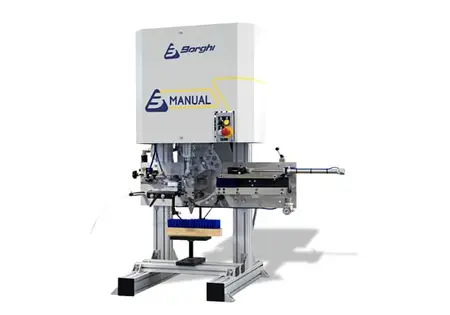
How Automatic Brush Making Machines Set Tuft Geometry: Axes, Carriages and Filling Patterns
1. Why Tuft Geometry Is Decided at the Machine Tuft geometry – the position, angle and spread of each tuft…
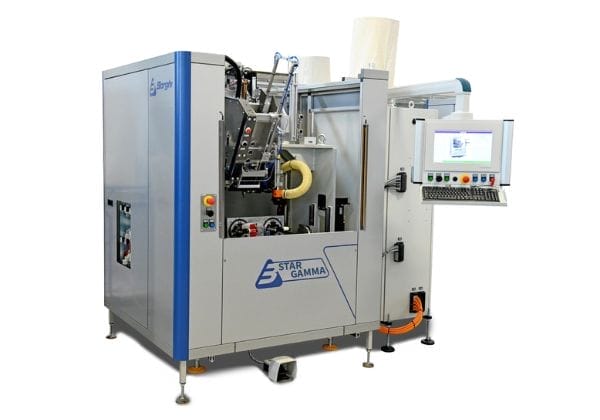
Industrial vs Household Brush Making Machines: Which One Does Your Product Need?
1. What Separates an Industrial Brush Machine from a Household One A household brush is a finished consumer product. A…
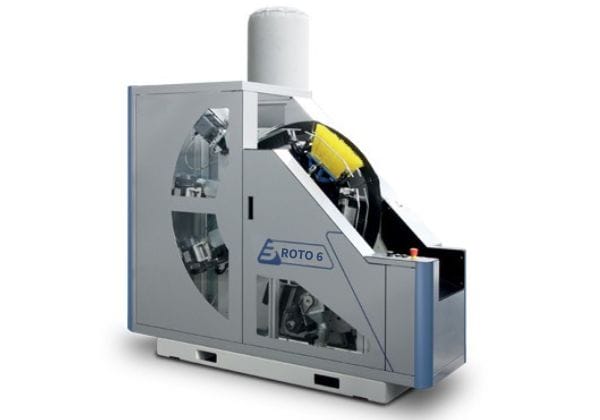
Brush Quality Control: The Six Checks Every Batch Should Pass
Brush quality control comes down to six in-process checks: tuft retention, drilling accuracy, trim height uniformity, flagging and surface finish,…

Brush Making Machine Tooling Explained: Drills, Filling Tools, Carriages and Changeover
Tooling — not the machine frame — decides what a brush making machine can actually produce. Drill diameter sets the…
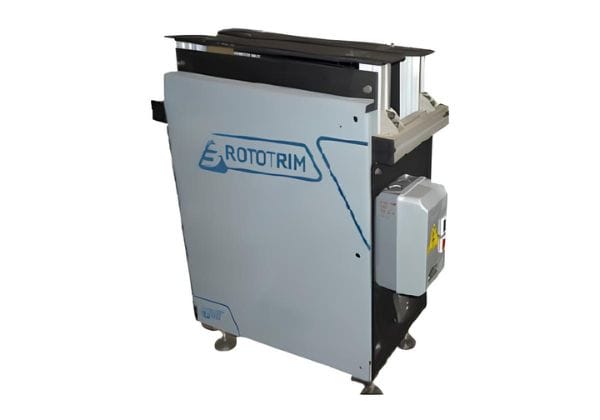
Brush Making Machine Production Capacity: How to Calculate Real Output Per Shift
A brush making machine’s capacity is set by four numbers: tufts per minute, tufts per brush, the number of clamping…
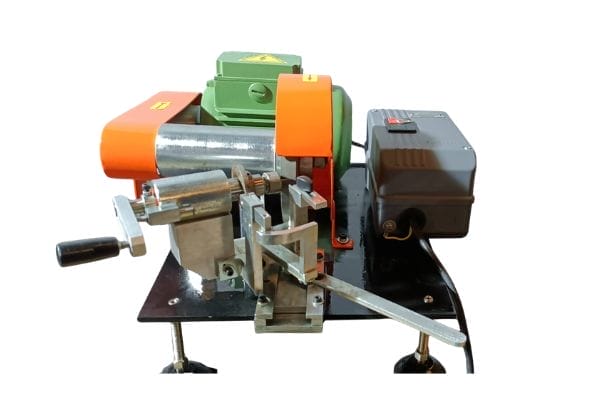
Brush Making Machine Maintenance
Brush Making Machine Maintenance: A Preventive Checklist That Protects Output Short answer: brush tufting machine maintenance comes down to four…

Staple-Set vs Anchor-Set Tufting
Staple-Set vs Anchor-Set Tufting: How to Choose the Right Filling Method Short answer: staple-set tufting secures a bristle bundle with…
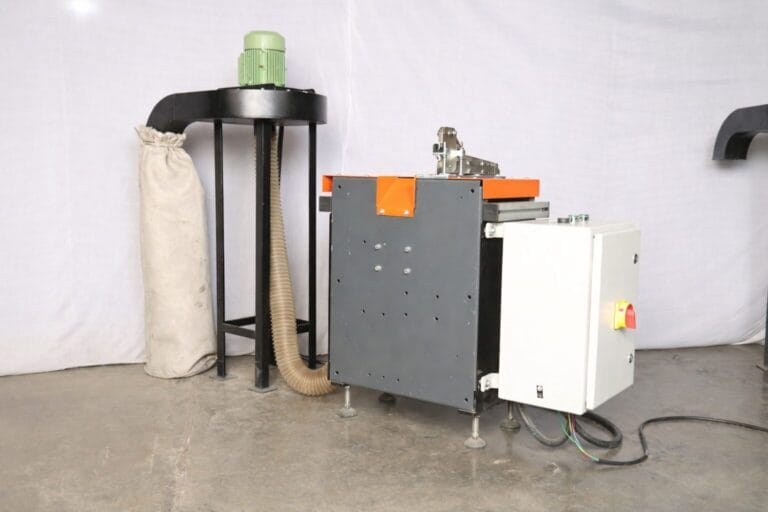
Brush Filament Types Explained
Brush Filament Types Explained: Choosing the Right Bristle for Every Brush Short answer: PP filament covers most general-purpose household cleaning,…