
Brush Making Machine Maintenance
Brush Making Machine Maintenance: A Preventive Checklist That Protects Output
Short answer: brush tufting machine maintenance comes down to four routines -keep the compressed air supply clean and at pressure, keep filling tools and drills sharp and true, replace known wear parts before they fail, and act on alarm diagnostics rather than waiting for a stoppage. Borghi machines ship with critical spare parts free of charge and carry Industry 4.0 alarm diagnostics with remote assistance, which is what makes a preventive routine practical rather than aspirational.
1. What downtime actually costs you
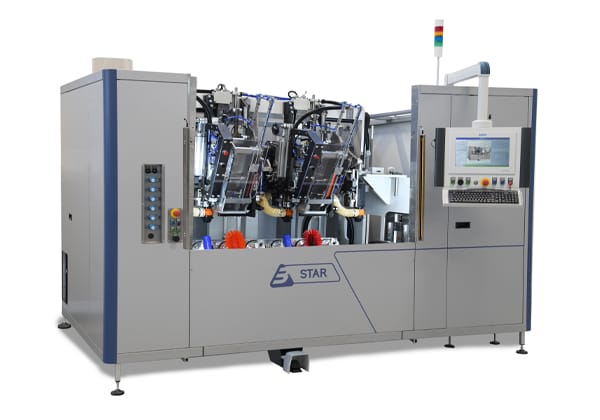
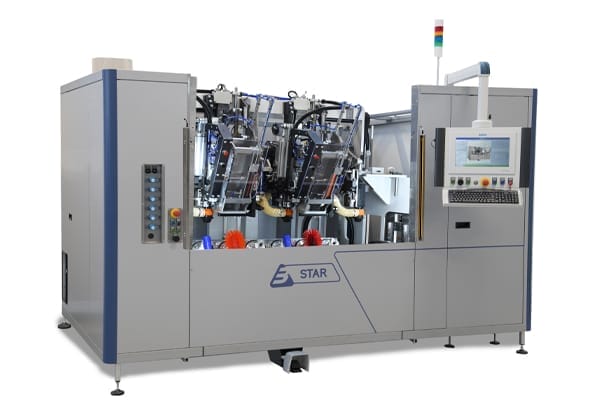
Output on a tufting machine is measured in tufts per minute, and Borghi models run from 240 up to 1,200 tufts per minute depending on configuration. A machine specified at 1,000 tufts/minute is producing 60,000 tufts an hour when it is running -and zero when it is not. Against a Star Delta capable of over 7,000 double hockey brushes in 24 hours, a single unplanned half-day costs more finished product than most maintenance budgets do in a year.
That asymmetry is the entire case for preventive maintenance. It is also worth remembering at purchase: running cost and uptime, not sticker price, determine cost per brush over a machine’s life. That argument is made in full in Borghi vs the competition and in the guide on how to choose a brush making machine.
2. Daily checks, before and during the shift
Most tufting machine faults announce themselves on the air line or in the tooling long before they stop the machine. A brush tufting machine typically consumes around 300 litres of air per minute at 6 bar, so compressed air is a working input, not a background utility.
• Air pressure and quality -confirm supply pressure at the machine, and drain moisture from the receiver and filter bowls at the start of the shift. Wet air is the fastest route to pneumatic failure.
• Filling tool condition -inspect the tool face for wear or burring. A worn filling tool shows up as inconsistent tuft retention long before it shows up as a breakdown.
• Drill condition -check for dulling or chipping. Blunt drills produce ragged holes, and ragged holes produce weak tufts.
• Swarf and filament waste -clear plastic swarf from the drilling area and offcut filament from the machine bed. Accumulated waste is the most common cause of nuisance jams.
• Clamping -confirm handles are seating correctly in the clamping station. Repeated misplacement usually means a fixture problem, not an operator problem.
• First-off inspection -pull the first brushes of the run and check tuft retention, filament length consistency and tuft density before committing the batch.
3. Weekly and monthly service points
Longer-interval work is where the wear parts get attention. Borghi identifies filling tool parts, springs, belts and pneumatic pipes as the critical consumable set -and supplies them free of charge as standard with each machine, which tells you plainly which parts are expected to wear.
• Belts -check tension and look for glazing or cracking. Replace on condition, not only on failure.
• Springs -inspect for fatigue and loss of tension in the filling mechanism.
• Pneumatic pipes and fittings -look for chafing, kinks and slow leaks. A small leak degrades cycle consistency before it becomes audible.
• Electrical cabinet -Borghi machines fit an air conditioner to the electrical cabinet; check the filter and confirm it is holding cabinet temperature. Heat is what kills drives and control boards.
• Electro-spindles -inspect and service to the manual’s schedule. These are precision assemblies and are not a field-repair item.
• Fasteners and guarding -a machine running continuously at speed will loosen fixings over time. Walk the machine monthly.
4. The wear parts worth keeping on your shelf
| Part | Why it wears | Stock policy |
| Filling tool parts | Constant contact with filament and hole wall | Supplied free with the machine as standard; reorder before the spare is consumed |
| Springs | Cyclic loading in the filling mechanism | Keep a set on site |
| Belts | Continuous drive load | Keep a set on site |
| Pneumatic pipes | Flexing, chafing, ageing | Keep length in stock, replace on sight of damage |
| Drills | Cutting plastic and wood continuously | Sharpen in-house rather than replace, where possible |
Spare parts availability is a genuine differentiator in this category -replacement parts for Borghi machines are available through Borghi India rather than on an import lead time, which is the difference between a half-day stoppage and a half-month one.
5. Drill sharpening: the cheapest output you will ever recover
Drills dull gradually, so the quality loss is gradual too -ragged hole walls, weaker tuft retention, more rejects -and it is easy to attribute that to filament or to the operator instead of to tooling. Sharpening drills in-house rather than replacing them keeps hole quality consistent and takes a recurring consumable cost out of the run rate. Borghi India supplies a dedicated drill sharpener as part of its accessory range.
Set a sharpening interval based on hole count rather than on calendar days, and log it. If reject rates climb between sharpenings, shorten the interval before changing anything else.
6. Use the alarm diagnostics -that is what they are for
All Borghi machines carry Industry 4.0 software with alarm diagnostics that let the operator detect and locate a fault immediately, without a specialist maintenance engineer on site. The machines also include a router for remote assistance, so most technical issues can be handled by Borghi India without waiting for a service visit.
Two habits make this pay. Log every alarm with the time, the model in production and what the operator did about it -recurring alarms are a maintenance schedule writing itself. And escalate early over the remote link rather than after two days of trying; the connection exists so a diagnosis costs a phone call instead of a travel day.
7. Train the operator to own the routine
Maintenance discipline is set during commissioning or it is not set at all. Borghi India’s onboarding is built around this: five days of operator training at the Bhiwandi facility covering machine operation, filament loading, changeover and basic maintenance, followed by a technician travelling to your factory to install and commission the machine and deliver a further five days of on-site training.
The design intent behind the machines supports it too -Borghi trains a competent technician to run the machine rather than requiring an experienced operator poached from another brush manufacturer. That means your maintenance routine can live with your own people from day one. If you are still at the setup stage, the wider plan is in how to start a brush manufacturing business.
8. Do not stop at the tufting machine
The finishing line wears too, and a badly maintained finishing machine will spoil brushes that were tufted perfectly. Trimming blades dull, flagging and beating tooling loses its edge, and the symptom is uneven filament length and a scruffy brush face rather than an outright stoppage. Put the brush trimming and finishing machine on the same schedule as the tufting machine -the full line layout is set out under brush production line machines.
Filament handling equipment belongs on the list as well, particularly if you blend grades or colours -inconsistent output from a filament mixer shows up as stiffness variation across a batch. Which filament you are running changes how hard the tooling works; that is covered in brush filament types.
Frequently asked questions
What spare parts come with a Borghi brush making machine? Critical parts -filling tool parts, springs, belts and pneumatic pipes -are supplied with the machine as standard, free of charge.
Do I need a specialist maintenance engineer? No. Borghi machines carry Industry 4.0 alarm diagnostics that let the operator detect and locate faults immediately, and a router for remote assistance from Borghi India.
How much compressed air does a brush tufting machine need? Requirements vary by machine, but consumption is normally around 300 litres per minute at 6 bar.
How is the operator trained? Five days of training at the Borghi India facility, then a further five days at your own factory after the technician installs and commissions the machine.
Are spare parts available in India? Yes -replacement parts are sourced through Borghi India rather than on an import lead time, and after-sales support covers on-site technical assistance, spare parts supply and operator training.
How often should drills be sharpened? Set the interval by hole count rather than by calendar, log it, and shorten it if reject rates rise between sharpenings. A dedicated drill sharpener makes this an in-house routine.