
Building a Brush Production Line: The Machines You Need Start to Finish
“Brush production machines” isn’t one machine — it’s a sequence. A working line takes a bare handle and turns it into a finished, trimmed brush ready to pack. Understanding the stages helps you plan capacity and budget correctly instead of buying equipment piecemeal. Here’s how a complete line fits together.
Stage 1 — Drilling and filling
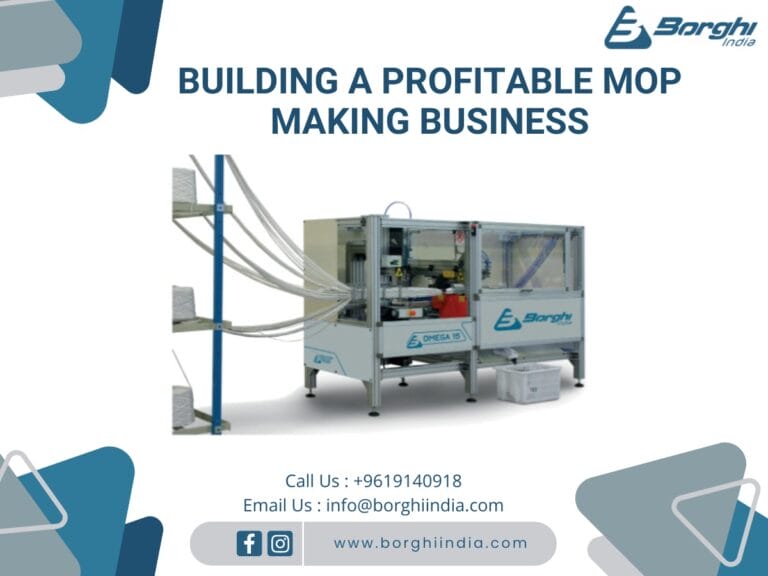
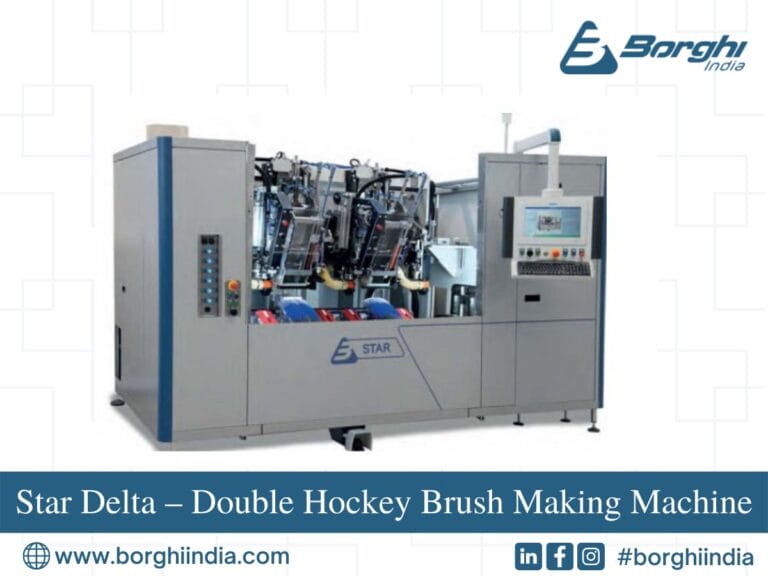
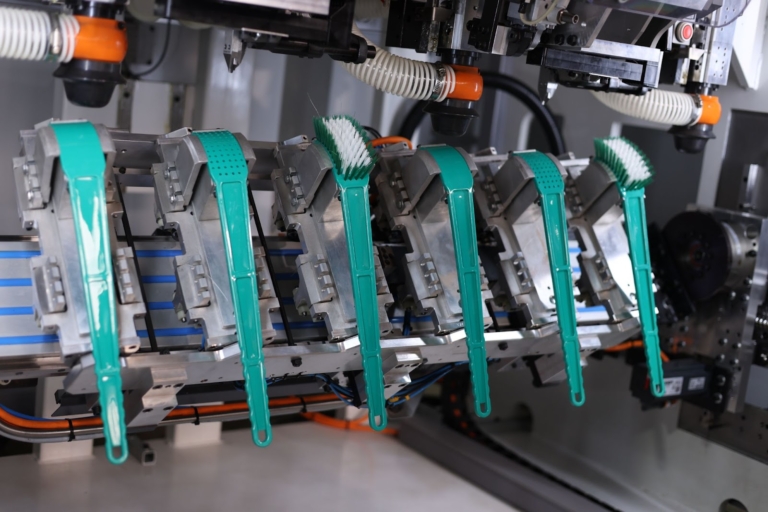
The core of every line is the brush drilling and filling machine. It drills holes into the brush block and fills them with bristle tufts in a single automated cycle. This stage sets your base output rate, so it’s where machine choice matters most — from the Star Gamma for smaller runs and frequent model changes to the high-output Star Delta with 6 clamping stations for continuous, high-volume production.
Stage 2 — Trimming and finishing
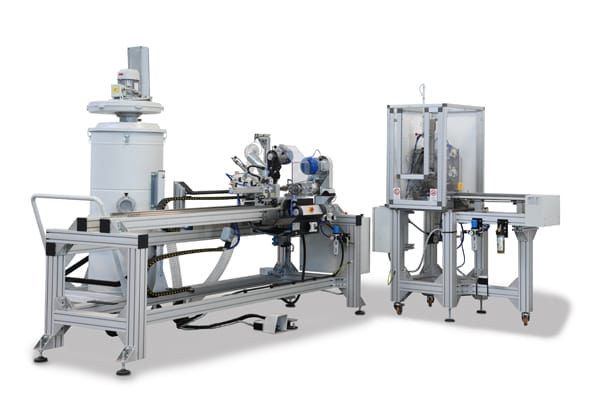
A filled brush still needs to be shaped. The brush trimming and finishing machine levels the bristle surface and profiles the head to spec — flat, rounded or contoured. Skipping or under-resourcing this stage is a common bottleneck: your drilling machine can outpace a finishing setup and leave work-in-progress piling up.
Match capacity across stages
A production line is only as fast as its slowest stage. If your tufting machine runs continuously but finishing is manual, the line stalls. Plan trimming and finishing capacity to keep pace with your drilling and filling throughput so the whole line moves together.
Choose a platform that scales
The smartest production setups start with a machine platform that grows with demand. Browse the complete machine range and the full product catalogue to see how tufting, trimming and finishing stages combine into one line. All Borghi platforms are Italian-engineered for consistent quality at scale.
Plan your line with Borghi India
Every product range needs a slightly different line. Talk to Borghi India to configure a production line sized to your output targets and brush types.